
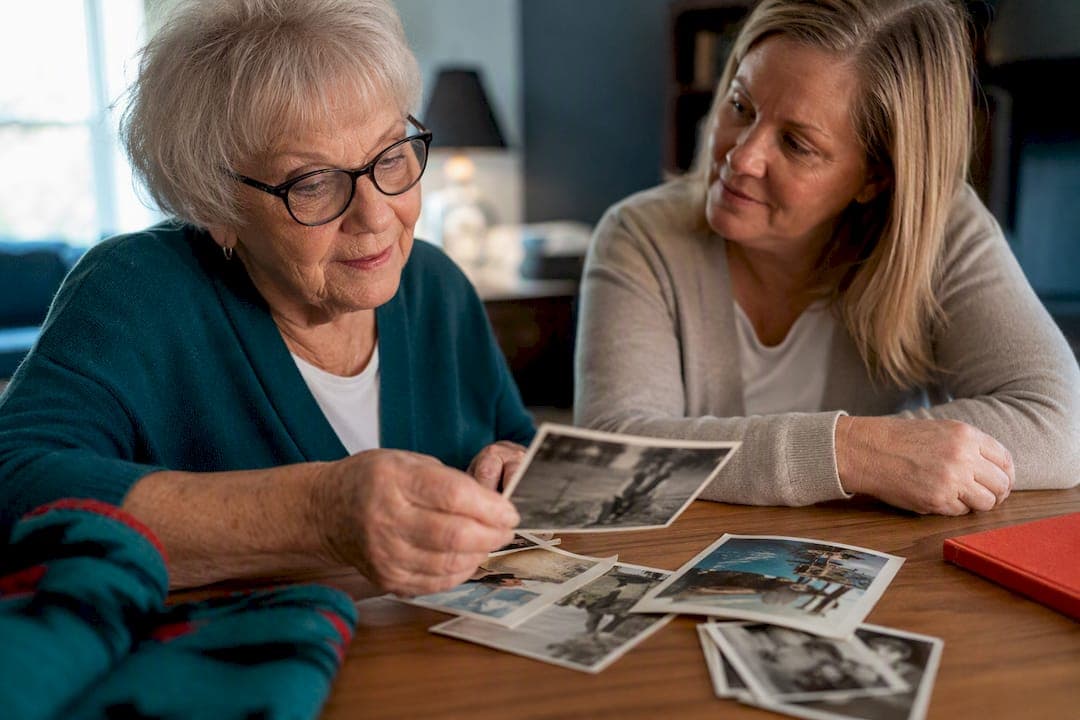
Simple reminiscence activities, a photo album, a favorite-song playlist, a memory box, and short scent prompts, can lift mood, strengthen connection, and produce modest cognitive gains when done regularly. Start with 10 to 20 minute sessions, two or three times a week, and let the person's reactions guide the pace. The approach has backing from a recent meta-analysis and Alzheimer's Association guidance.
TL;DR:
- Regular reminiscence sessions of 10 to 20 minutes, two or three times weekly, improve mood, engagement, and provide modest cognitive benefits, especially in middle-aged and moderate dementia stages.
- Sensory-based activities like music, scent, or touch tend to work better as dementia progresses, while life review works best in milder stages when narrative follow-up is possible.
- Building meaningful memory boxes and playlists with 3 to 5 personal objects or 6 to 10 songs from the past effectively trigger emotional memories and engagement.
- Short, flexible activities such as photo browsing, singalongs, or video viewing are more practical and sustainable for home caregivers than long, structured clinical programs.
- Simplifying activities and focusing on sensory prompts as dementia advances helps maintain connection and comfort without causing distress or requiring extensive caregiver training.
Table of Contents
- What the Research Says About Reminiscence Therapy Benefits
- Reminiscence Therapy Activities: 10 Ready-to-Use Recipes
- How to Plan a Reminiscence Session at Home
- Building Memory Boxes, Playlists, and Simple Tech Tools
- Adjusting Activities as Dementia Progresses
- What Years of In-Home Care Have Taught Us About Reminiscence
- Get Hands-On Help With Reminiscence at Home
- Sources
What the Research Says About Reminiscence Therapy Benefits
The clinical case for reminiscence work is stronger than most caregivers realize. A 2026 meta-analysis of 24 randomized controlled trials covering 1,963 patients found significant improvements in overall cognitive function, memory, depression symptoms, and quality of life. The effects were not flat across every group either. Patients who participated in a moderate series of sessions, and those in a middle older adult age range, showed more notable gains.
That does not mean you need a clinical protocol to see results at home. What it means practically: after a few weeks of consistent sessions, most families notice easier engagement, a calmer mood in the hours after a session, and fewer agitated stretches during the day. Cognition gains tend to be modest, not dramatic, so the realistic win is connection and comfort first, with any memory benefit as a bonus.
By the numbers: Research spanning a large number of patients shows that reminiscence therapy can improve cognition and depression symptoms, with consistent sessions producing better outcomes than sporadic use.
Stage matters for which style works best. Structured life review, walking chronologically through someone's life story, works best in milder stages when a person can still follow a narrative thread. Sensory-based approaches (music, touch, scent) keep working even as dementia progresses, because they bypass language and tap into emotional memory directly. That is one reason a scented candle or a familiar song can reach someone who no longer responds to conversation.
Reminiscence Therapy Activities: 10 Ready-to-Use Recipes
These are ordered roughly by prep effort, easiest first. Pick two or three to start, not all ten at once.
1. Photo album browsing. Goal: gentle recognition and storytelling. Prepare 10 to 15 printed photos from a decade the person remembers clearly, often their 20s through 40s. Start with an open question like "Who is this with you?" rather than "Do you remember this?" Follow whatever memory surfaces, even if the details are wrong. Close by thanking them for sharing, not by testing accuracy. Run time: 10 to 15 minutes.
2. Favorite-song singalong. Play three or four songs from their teenage or young-adult years. Watch for foot-tapping or humming before asking questions. Sessions run 5 to 15 minutes and pair well with folding laundry or another shared task.
3. Memory box touch session. Fill a shoebox with 3 to 5 objects, a pocket watch, a recipe card, a church program, and let the person handle each one without narration pressure. Ten minutes is usually enough.
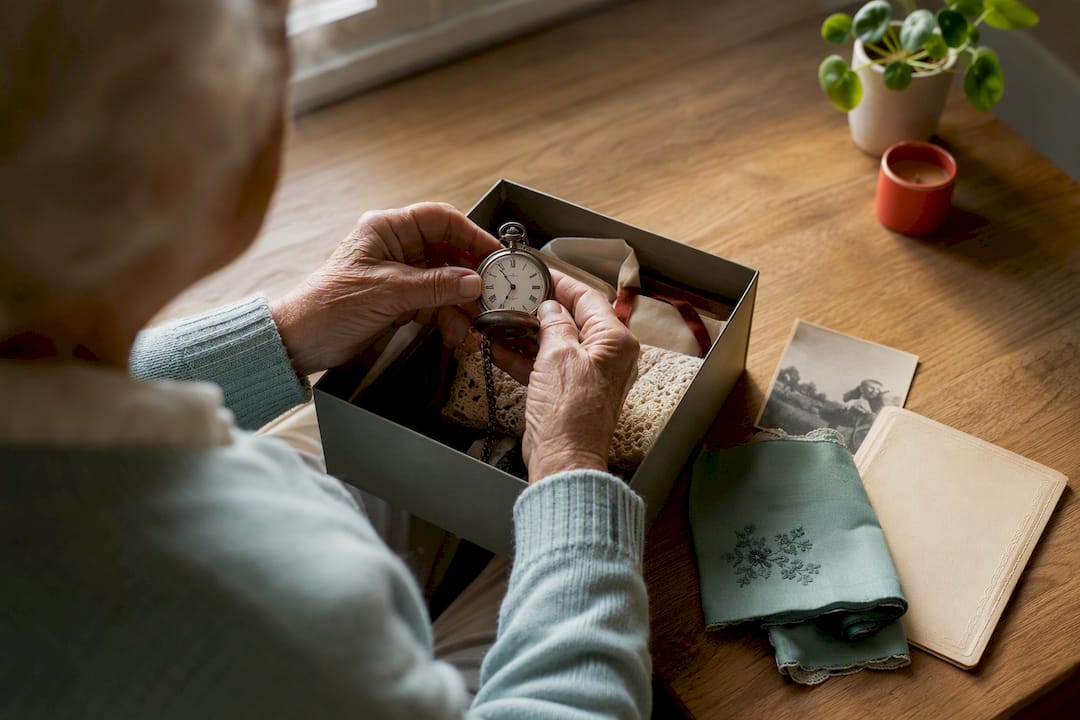
4. Scent-trigger pause. Keep something like coffee grounds, cut grass, or a specific perfume on hand. A brief sniff during a quiet moment can open a conversation with no setup required.
5. Familiar recipe cooking. Bake something simple they made for decades, banana bread, meatloaf, and let them stir or measure. The smell alone often does half the work.
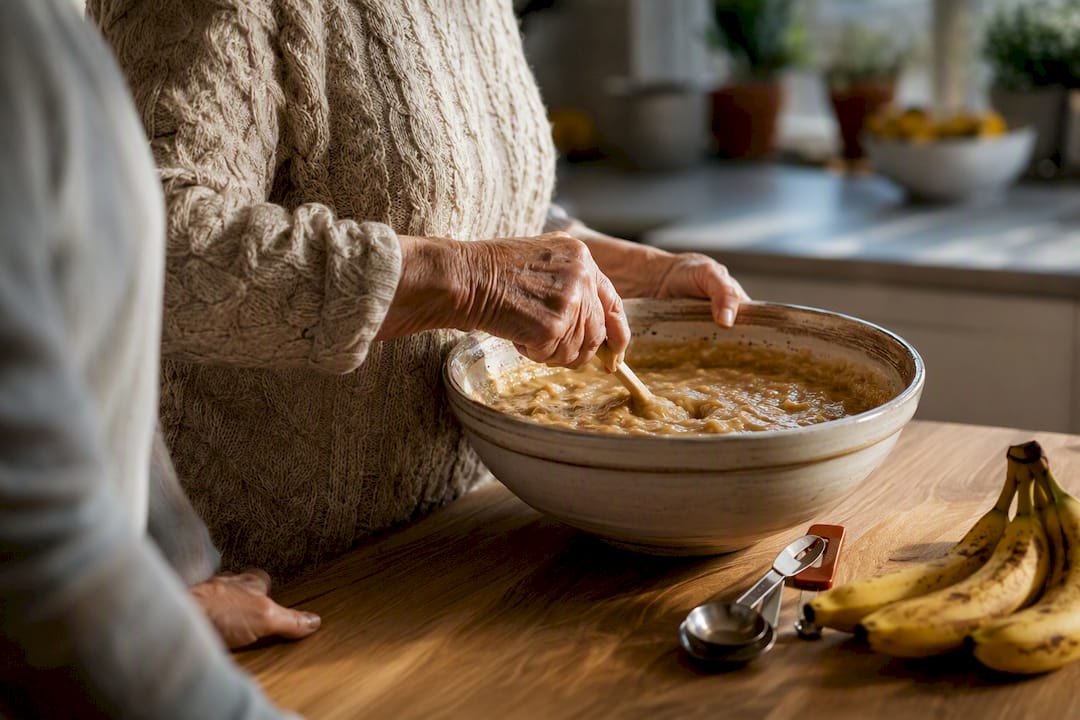
6. Open-ended storytelling prompts. Ask "What was your first job like?" instead of yes/no questions. Sit with silence; do not rush to fill it.
7. Short home video viewing. Five-minute clips of holidays or grandchildren work better than long films, which can overwhelm attention.
8. Themed reminiscence around work or holidays. Pick one theme per session, "Christmas mornings" or "the factory job", and gather two or three props ahead of time.
9. Group reminiscence with family. Keep groups small, three or four people, and assign one person to lead so the conversation does not fragment. Evidence on joint group sessions is mixed; some caregivers report benefit, others report added stress managing the group, so watch your own energy too.
10. Digital photo frame or short video clip. A frame that cycles through family photos gives passive reminiscence throughout the day with zero session prep. Keep the photo count small, under 50, and turn off any cloud-sharing or comment features you do not need. Privacy matters here: avoid frames that require handing over a phone number or syncing to unfamiliar apps.
Pro Tip: Never correct a wrong memory mid-session. If your father says he's still working at a job he retired from decades ago, ask him what a typical day looked like instead of correcting the timeline. The goal is connection, not accuracy.
How to Plan a Reminiscence Session at Home
Formal clinical programs often run 45-minute sessions across 8 to 12 weeks, but that structure exists for research settings, not living rooms. Family caregivers get real benefit from shorter, more frequent micro-sessions, 10 to 20 minutes, two or three times weekly, plus quick daily touches like a scent pause or one song during breakfast.
A few practical rules make sessions run smoother:
- Choose a quiet, familiar room with good lighting and a comfortable chair, not a noisy common area.
- Time sessions for when the person is rested, ideally mid-morning, and avoid right after medication or a heavy meal.
- Any calm family member can lead a session; you don't need training, just patience and a willingness to follow their lead.
- Jot a one-line mood note after each session (calm, tearful, engaged) so you can spot patterns over weeks.
- If a session goes badly, stop, comfort the person, and note what triggered it so you can avoid that prompt next time.
Pro Tip: Keep a small notebook by the memory box. A thirty-second note after each session, "hummed along to two songs, seemed content", builds a record that helps you and any other caregiver spot what's working.
Building Memory Boxes, Playlists, and Simple Tech Tools
A memory box works best with 3 to 5 objects tied to strong personal meaning, not just old items. A war medal, a wedding ring box, a well-worn Bible, these outperform generic antiques every time.
Playlists follow the same logic. Build a 6 to 10 track list from the person's late teens through their 30s, since music from that window tends to trigger the strongest recall. A structured approach to song selection helps you avoid songs that carry sad associations, like a funeral hymn.
- Test any new sensory item for 2 to 3 minutes first, watching for calm breathing and soft vocalizing as good signs.
- Stop immediately if the person tenses up, cries, or turns away.
- Keep tech simple: a digital photo frame or a five-minute video clip beats a complicated app every time.
- Turn off notifications, comments, and location sharing on any device before handing it over.
Adjusting Activities as Dementia Progresses
As dementia advances, simplify rather than abandon. Swap open questions for yes/no choices ("Do you like this song?"), lean harder on sensory prompts like touch and scent, and use preserved motor habits, folding towels, stirring batter, as reminiscence anchors even when words fail.
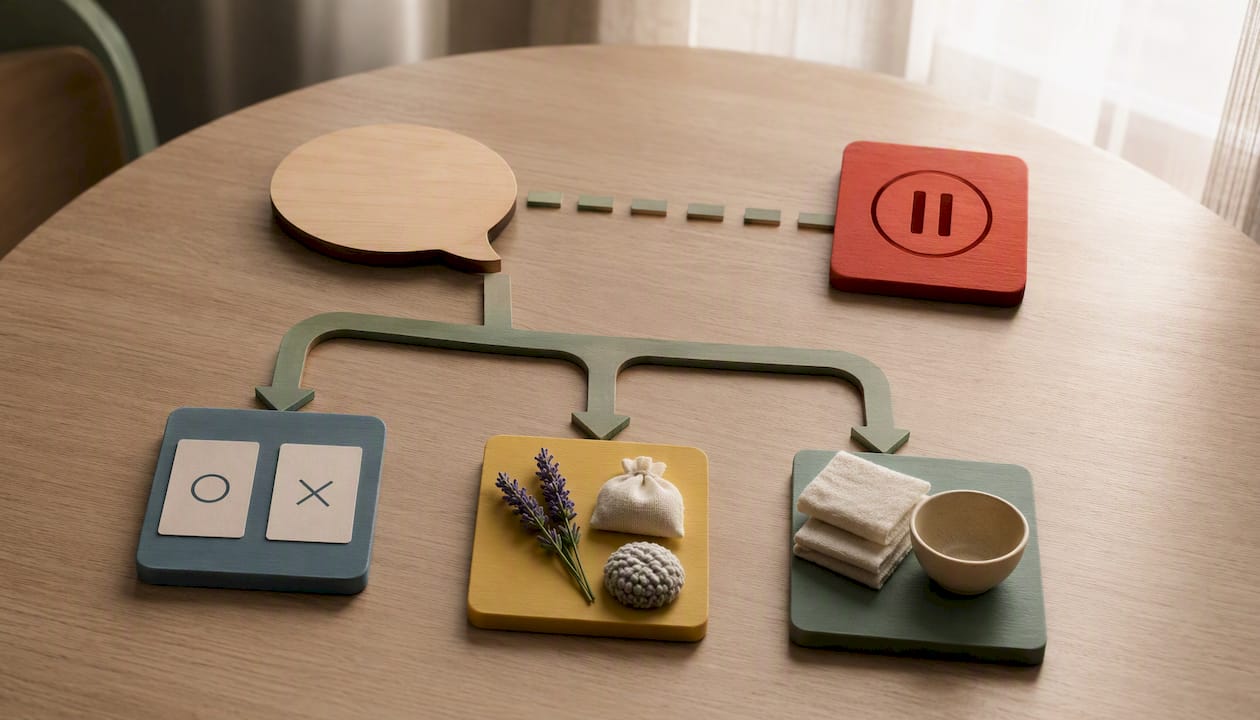
Watch for distress: crying, clenched hands, or sudden withdrawal. Pause immediately, offer physical comfort, and note what triggered it. If distress becomes frequent, sessions consistently worsen mood, or you notice sudden behavioral changes, bring in a clinician or trained facilitator rather than pushing through alone.
What Years of In-Home Care Have Taught Us About Reminiscence
At Tucsonshs, caregivers who use reminiscence prompts during routine visits, a song during a walk, a photo during meal prep, consistently see calmer afternoons and easier transitions. For deeper how-to guidance, our memory care activity guides and in-home memory care overview walk through building a program families can sustain.
— Cameron
Get Hands-On Help With Reminiscence at Home
Running two or three sessions a week is manageable for a while, but most families hit a wall when work, siblings' schedules, and caregiving fatigue collide. Tucsonshs is the alternative to figuring this out alone: our caregivers are mature adults, often seniors themselves, matched with your loved one for shared life experience, so a photo album session or a favorite-song singalong happens naturally during a regular visit instead of becoming one more task on your list.
Visits can pair reminiscence work with companionship, meal prep, or medication reminders, so the person you love gets consistency without you managing every detail. If you're in Tucson, Sierra Vista, Corona de Tucson, Tucson Estates, or Green Valley, reach out through our senior home care services page to talk through a plan that fits your family's week.
Sources
- The efficacy of reminiscence therapy on the cognition of older patients with cognitive impairment or dementia: a meta-analysis based on regulatory factors
- Reminiscence therapy review (PMC article)
This article is general information, not a substitute for advice from a qualified doctor. Consult a qualified healthcare professional about your own circumstances before acting on anything here.