
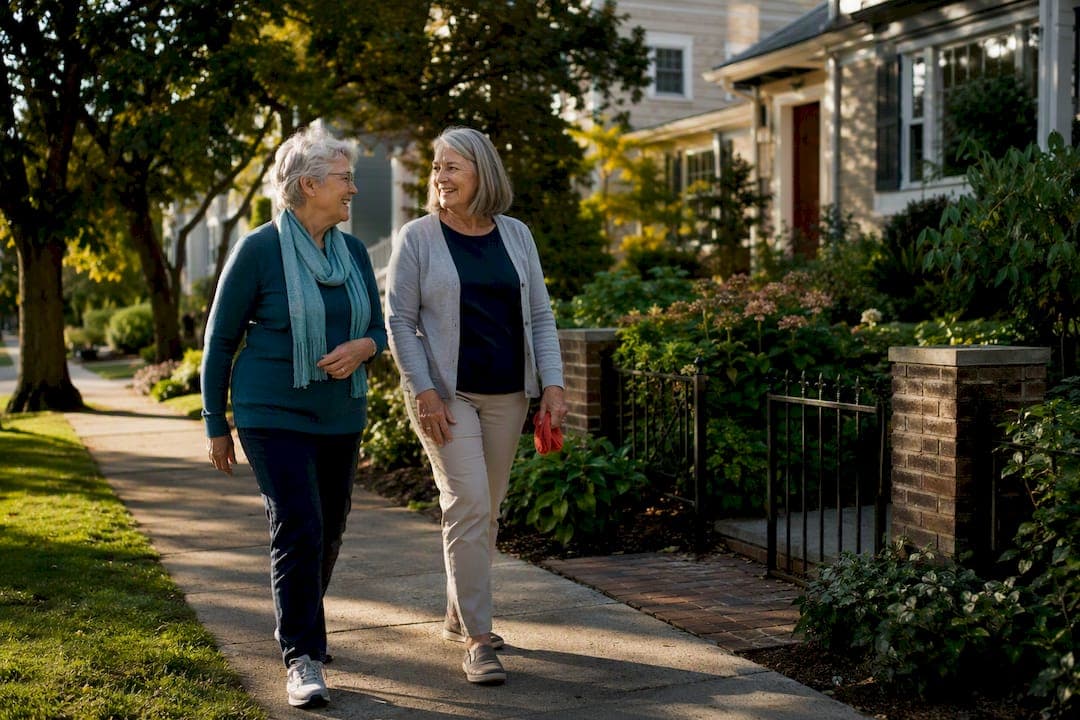
Yes, most older adults can maintain independence at home with the right combination of targeted safety fixes and layered support. The single best place to start is fall prevention in the bathroom and on the stairs, paired with low-barrier help like grocery delivery or a few hours of companion care each week. The checklist and steps below walk through exactly how to build that plan.
TL;DR:
- Most falls among older adults occur in bathrooms and on stairs, so immediate safety upgrades like grab bars and improved lighting should be prioritized.
- Low-cost modifications such as removing rugs and widening walkways can significantly reduce fall risks without a renovation budget.
- Support services like companion care and meal deliveries are easiest to accept early, with structured routines helping maintain mental and physical independence.
- Funding options such as Medicaid waivers, VA grants, and local programs can help offset costs for structural modifications and in-home support.
- Signs indicating it's time for increased care include multiple recent falls, medication mismanagement, declining daily functioning, or caregiver burnout.
Table of Contents
- Maintaining Independence at Home: Eight Actions to Start This Week
- Home Safety and Modifications: Where to Spend First
- What Support Services Actually Do, and How to Introduce Them
- Planning and Financing Home Modifications
- When Is It Time for More Care or a Different Living Situation?
- How to Talk About Support Without Losing Trust
- Nutrition and Meal Preparation Support Strategies
- Mental Health and Social Engagement to Maintain Independence
- The Companion-First Model Deserves More Credit Than It Gets
- A Practical Next Step If You Want Help, Not Just a Plan
- Where to Verify These Facts and Find Local Help
- Sources
Maintaining Independence at Home: Eight Actions to Start This Week
You don't need a renovation budget to make a real dent in fall risk or daily struggle. You need eight decisions, made in order, over the next seven to ten days.
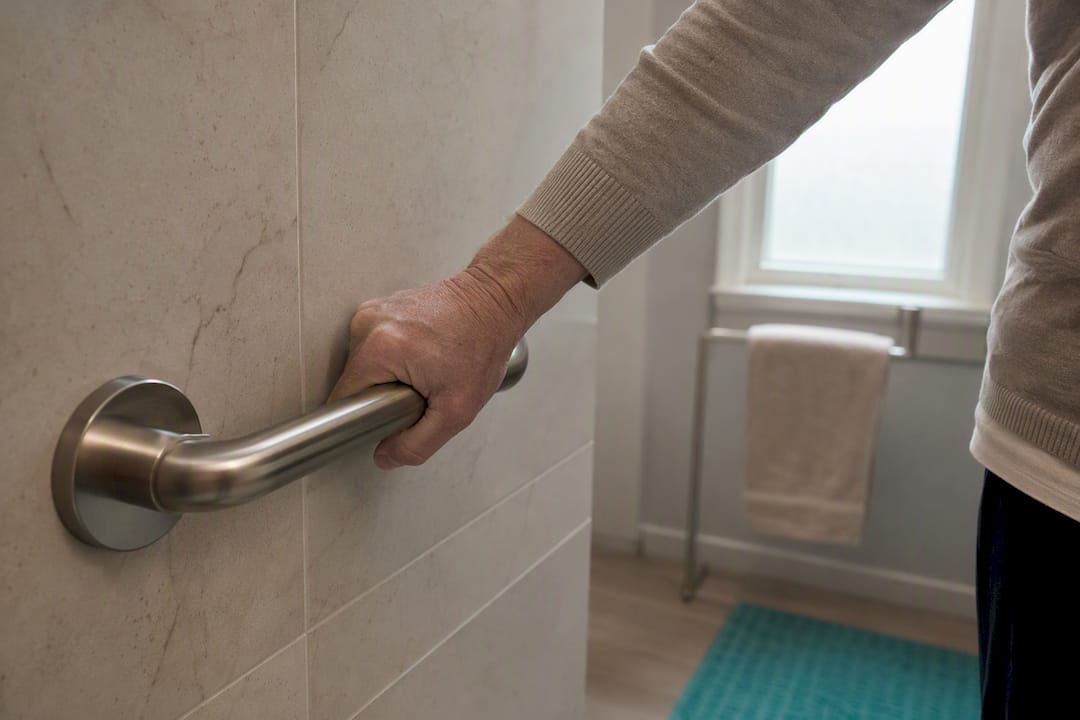
- Install grab bars near the toilet and inside the shower or tub. Skip the suction-cup versions; they need to be anchored into wall studs or blocking.
- Brighten the path from bed to bathroom. Motion-sensor night-lights cost less than a dinner out and cut nighttime stumbling dramatically.
- Clear the floor. Remove throw rugs, tack down cords, and widen walkways cluttered with furniture.
- Set up grocery and meal delivery through a local pharmacy, grocery chain, or a service like Instacart, so food access doesn't depend on driving.
- Arrange rides for medical appointments and social visits, whether that's a family rotation, a rideshare account set up in advance, or a local senior transportation program.
- Add a few hours of companion care weekly for errands, light housekeeping, or simply someone to share a meal with. This is the easiest support to accept because it doesn't feel medical.
- Build an emergency plan: a medical alert pendant or wearable, a charged phone kept on the body (not in a purse across the room), and a one-page binder with medications, allergies, doctors, and emergency contacts.
- Schedule an occupational therapy home safety assessment if there's any hint of balance trouble, recent falls, or a chronic condition affecting mobility.
Pro Tip: Do the free and cheap fixes first. Rearranging furniture and removing rugs costs nothing and often prevents more falls than an expensive stairlift installed a year from now.
Home Safety and Modifications: Where to Spend First
More than 1 in 4 adults aged 65 and older fall every year, and the CDC reports that the bathroom and stairs are where a large share of those falls happen. That single fact should drive almost every home-modification decision a family makes.
Bathrooms and staircases account for a disproportionate share of falls among older adults, according to CDC injury data.
Here's where the money and effort deliver the most protection per dollar spent:
- Grab bars ($30 to $150 per bar, installed): non-negotiable near toilets and in showers.
- Lever-style door and faucet handles ($20 to $60 each): easier to operate for anyone with arthritis or reduced grip strength.
- Non-slip strips or mats ($15 to $80 per surface): quick wins for tub floors and shower entries.
- Improved lighting, including under-cabinet and stair-tread lights ($50 to $300 depending on scope): reduces the guesswork of moving through a dim house at night.
- Handrails on both sides of staircases ($100 to $400 per run): often overlooked because one handrail feels like enough. It isn't.
Bigger jobs, like curbless showers, stairlifts, and exterior ramps, run from a few thousand dollars into five figures. These make sense when someone has a diagnosed mobility condition, uses a walker or wheelchair, or has already had a fall on stairs. A systematic review of home modification studies found that tailored changes reduce fall rates and improve functional independence and quality of life, which is exactly why an occupational therapist's individualized plan tends to outperform a generic contractor checklist.
Before hiring anyone for structural work, ask two questions: What anchoring or load rating does this grab bar or handrail meet? And can you show me the manufacturer's installation spec? A grab bar that isn't bolted into a stud or blocking can pull straight out of the wall under real weight, which creates false security instead of actual safety.
Pro Tip: An occupational therapist's in-home assessment usually costs less than one emergency room visit for a fall, and it comes with a written, room-by-room priority list instead of a guess.
What Support Services Actually Do, and How to Introduce Them
Families often picture "getting help" as an all-or-nothing leap into a nursing facility. It isn't. There's a ladder of options, and most people never need to climb past the first two rungs.
- Companion care covers conversation, errands, light housekeeping, transportation, and meal prep. No medical tasks involved.
- Personal care adds hands-on help with bathing, dressing, and mobility, typically from a trained home care aide.
- Home health brings licensed nurses or therapists into the house for wound care, medication management, or physical therapy, usually ordered by a physician.
- Adult day programs provide structured activity and supervision outside the home, often a few days a week, giving family caregivers a predictable break.
Harvard Health notes that home-based services can preserve independence effectively, though Medicare coverage for non-medical home care is limited. That gap is why most families pay privately for companion and personal care, at least initially.
The smartest rollout follows a staged sequence: start with errands and companionship, add medication reminders and help with daily activities as needs grow, then bring in skilled nursing or therapy only when a medical need requires it. Trial the arrangement for two weeks before committing to a long-term schedule, and prioritize caregiver matching. A companion care guide can help families understand exactly which tasks fall into that first, easiest tier of support.
Planning and Financing Home Modifications
Cost planning works best in three tiers. Small fixes (grab bars, lighting, rugs removed) run under $500 total. Mid-range work (railings, non-slip flooring, lever handles throughout a house) lands between $500 and $3,000. Structural projects (curbless showers, stairlifts, ramps) start around $3,000 and climb well past $10,000.
Funding rarely comes from Medicare, which covers very little home modification work. Instead, check these paths:
- Medicaid Home and Community-Based Services (HCBS) waivers, which vary by state and can cover home modifications or in-home care for eligible low-income seniors.
- VA Home Improvements and Structural Alterations (HISA) grants, available through the Department of Veterans Affairs for eligible veterans needing accessibility upgrades.
- HUD programs for older, low-income homeowners needing repairs or accessibility work.
- Local Area Agency on Aging offices, reachable through the Administration for Community Living or the Eldercare Locator at 1-800-677-1116, which can point families toward grants, volunteer repair programs, and sliding-scale services specific to their county.
Call the Area Agency on Aging before assuming nothing is available. Many regional offices maintain lists of local nonprofits that install grab bars or ramps free of charge for qualifying residents.
When Is It Time for More Care or a Different Living Situation?
Watch for these measurable signs rather than relying on a general feeling that "something's off":
- Two or more falls in the past six months, even minor ones.
- Missed or doubled medication doses, discovered through pill organizers or pharmacy refill patterns.
- Decline in basic daily tasks: skipped meals, unwashed dishes piling up, or wearing the same clothes for days.
- Driving incidents: new dents, missed stop signs reported by neighbors, or getting lost on familiar routes.
- Wandering or confusion about time, place, or people, especially if it's new.
- Caregiver burnout in a family member: exhaustion, resentment, or health problems of their own that signal it's time to call in respite care or a geriatric care manager.
Keep a simple log of incidents with dates and details. That record turns a vague worry into a clear pattern the next time the family needs to make a decision together.
How to Talk About Support Without Losing Trust
Lead with values, not fear. Instead of "You can't be alone anymore," try "What matters most to you about staying in this house?" That question keeps the older adult in the driver's seat and usually surfaces the real priorities, whether that's the garden, the neighbors, or simply not being told what to do.
Offer choice wherever possible: let them pick the caregiver from two or three options, or agree to a two-week trial before any long-term commitment. A two-week trial approach works especially well when someone is resistant, because it removes the pressure of a permanent decision.
Before support starts, assemble:
- A medications and allergies binder
- Emergency contact list, including doctors
- Power of attorney and advance directive documents, if completed
Pro Tip: Ask the older adult to help write the emergency binder themselves. People resist help that's done to them far less than help they helped build.
Nutrition and Meal Preparation Support Strategies
Eating well gets harder for a lot of older adults, not because they've lost interest in food, but because cooking for one feels pointless and grocery trips get physically taxing. That combination quietly leads to skipped meals and weight loss that families don't notice until a doctor flags it.
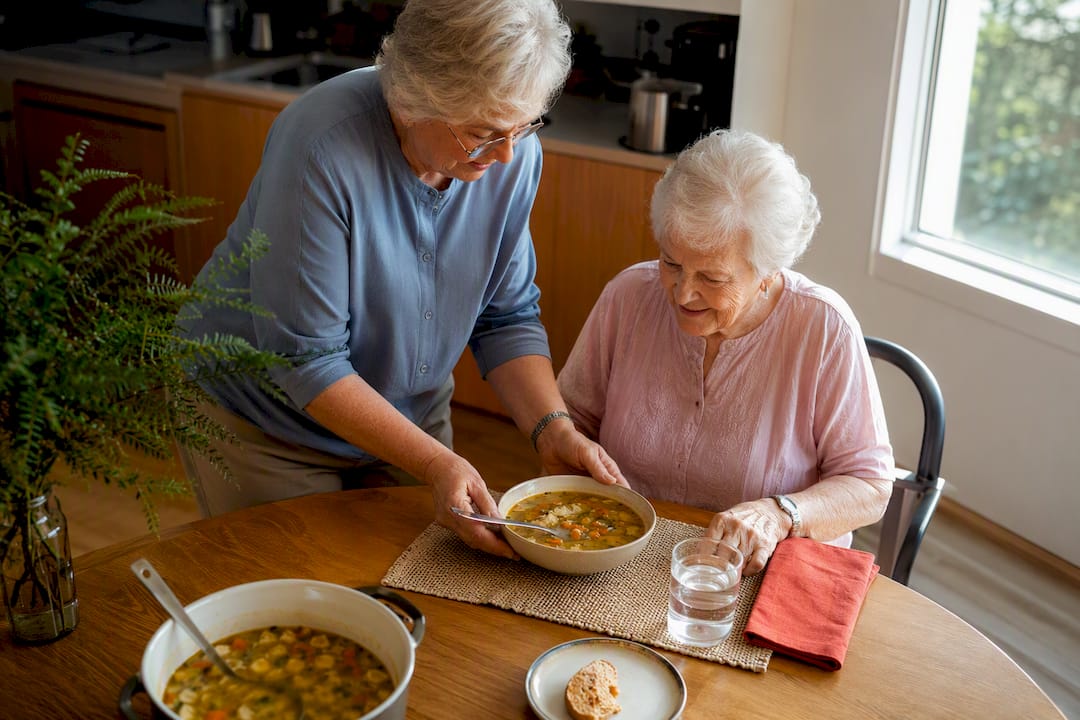
Grocery delivery services solve half the problem by removing the physical barrier to buying food. The other half is preparation. Meal delivery services designed for seniors, like Meals on Wheels or private meal-prep companies, handle portioned, ready-to-heat meals without requiring anyone to stand at a stove. Batch cooking with a family member once a week, then freezing portions, works well for households that want more control over ingredients.
Companion caregivers can also fill this gap directly, handling grocery shopping, meal prep, and the simple act of sitting down to eat together. Isolation at mealtimes is its own risk factor, since eating alone every single day tends to reduce how much a person actually eats. A caregiver sharing lunch a few times a week often does more for someone's nutrition than any supplement or meal-kit subscription.
Watch for warning signs: empty refrigerators, expired food piling up, or unexplained weight loss between visits. Any of those deserves a follow-up with a physician, since dehydration and poor nutrition accelerate physical decline faster than almost any other single factor at home.
Mental Health and Social Engagement to Maintain Independence
Isolation does measurable damage. Older adults who go days without meaningful conversation face higher rates of depression and faster cognitive decline, and that decline itself becomes one of the biggest threats to staying safely at home. Independence and connection aren't separate goals. They reinforce each other.
Structured routine helps more than people expect. A regular weekly call, a standing coffee visit, a volunteer shift, or a senior center class gives someone a reason to get dressed and engage, which in turn supports everything from appetite to sleep. Local senior centers, faith communities, and Area Agency on Aging programs often run low-cost or free activities specifically built around social connection rather than fitness or medical needs.
Companion care fills a specific gap here that family visits alone can't always cover: consistency. A family member who lives across town might manage one visit a week. A companion caregiver who comes several times weekly builds a rhythm and a relationship, and that regularity matters more than any single visit's length. Conversation, shared hobbies, a walk around the block. None of it looks clinical, and that's exactly the point. Support that doesn't feel like a medical intervention is support people actually accept.
Cognitive health also benefits from the routine itself. Familiar environments and predictable schedules reduce confusion, which is part of why staying at home, with the right supports layered in, tends to serve people's mental health better than an abrupt move to unfamiliar surroundings.
The Companion-First Model Deserves More Credit Than It Gets
Most conversations about aging in place jump straight to medical tasks and safety equipment, skipping the part that actually determines whether help gets accepted at all: who shows up and how it feels. Seniors Helping Seniors® Tucson built its model around mature, often-senior caregivers matched by shared life experience, and that detail matters more than it sounds like it should.
A caregiver who's raised kids, buried a spouse, or navigated her own knee replacement brings something a 22-year-old aide, however skilled, cannot fake: peer credibility. Running errands, offering a medication reminder, or helping with dressing lands differently when it comes from someone who understands the indignity of needing to ask. That's not a soft benefit. It's the difference between an older adult accepting help and quietly refusing it until a crisis forces the issue.
— Cameron
A Practical Next Step If You Want Help, Not Just a Plan
Everything above works best as a DIY starting point, but plenty of families reach a moment where the checklist isn't enough. That's where a service built specifically around companionship and hands-on support at home comes in.

A local senior care service offers companion care, personal care assistance, medication reminders, transportation, and light housekeeping, delivered by caregivers matched for compatibility rather than assigned at random. An advantage over trying to piece together a patchwork of family favors and app-based errand runners is consistency: one familiar face, a set schedule, and a caregiver who may have lived through similar stages of life your parent or spouse is navigating now.
The process starts with a conversation, not a contract. A short consultation covers what kind of support actually fits the situation, whether that's a few hours of companionship a week or a more consistent daily presence, and most families start with a trial period before settling into a regular schedule. Review the full range of services or reach out directly through Seniors Helping Seniors Tucson to set up that first conversation.
Where to Verify These Facts and Find Local Help
Check the CDC's older adult falls data for injury statistics, the National Institute on Aging for planning guides, and the Administration for Community Living to locate your local Area Agency on Aging for hands-on assistance.
Sources
- National Institute on Aging — Aging in Place: Growing Older at Home
- Systematic review on home modifications and aging in place (PMC)