
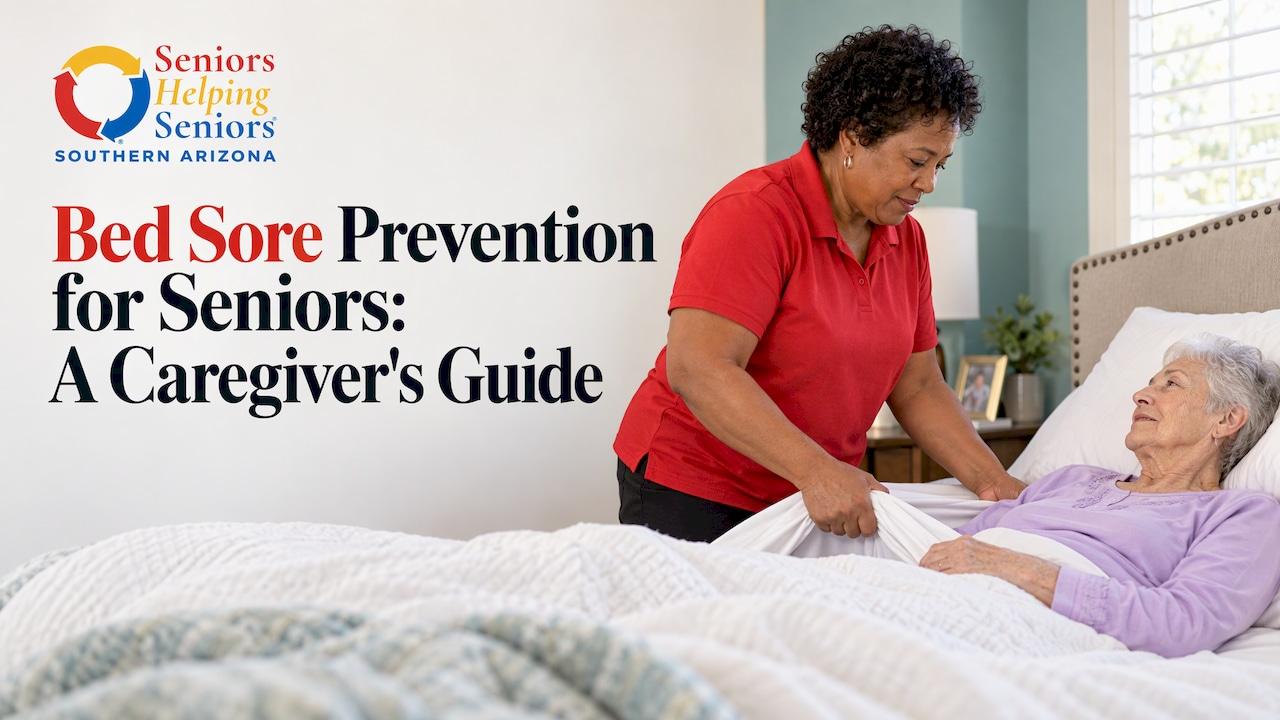
Bed sores are preventable for most seniors, and the plan is simple to say: keep pressure off any one spot, protect the skin from moisture and friction, feed the body well, and look at the skin every day. Doing it well takes patience, a steady routine and a second pair of hands. This guide walks through each piece the way we would explain it to a neighbor, so you can start today.
Key Takeaways
- Bed sores form when constant pressure cuts off blood flow to the skin. Cleveland Clinic says this can happen in as little as two hours.
- Change position in bed at least every 2 hours (MedlinePlus says every 1 to 2 hours), and lift the person or use a draw sheet instead of dragging.
- Check the skin daily, especially over bony areas, and keep it clean, dry and lightly moisturized.
- Protein, calories and fluids matter. Poor nutrition is a common thread in people who develop sores.
- A red patch that stays red after pressure is eased is a reason to call a health professional promptly.
Table of Contents
- What Causes Bed Sores, and Who Is Most at Risk
- Turning and Repositioning: The Heart of Prevention
- Daily Skin Checks: What to Look For
- Keeping Skin Clean, Dry and Protected
- Nutrition and Hydration for Skin That Heals and Holds
- Mattresses, Cushions and Other Equipment
- A Simple Daily Routine You Can Print
- Our Perspective
- Support at Home When You Need a Hand
- When to Call a Professional
- FAQ
- Sources
What Causes Bed Sores, and Who Is Most at Risk
Mayo Clinic describes three forces behind bedsores: pressure, which lessens blood flow to the tissue; friction, when skin rubs against clothing or bedding; and shear, when two surfaces move in opposite directions, as when someone slides down in a raised bed.
The people most at risk have conditions that keep them from changing position, or spend most of their time in a bed or chair. The same Mayo Clinic page lists immobility, incontinence, reduced sensation, poor nutrition and hydration, conditions that affect blood flow such as diabetes and vascular disease, and being over age 70.
Body weight plays a part too. The Washington State patient guide explains that someone who is underweight has less natural padding over bony areas, so skin can break down under small amounts of pressure. When someone is overweight, it is harder to shift weight to relieve pressure.
If your parent has recently come home from the hospital, spends long afternoons in a recliner, or has started staying in bed more, this is the moment to build prevention into the day. It is far easier to prevent a sore than to heal one.
Turning and Repositioning: The Heart of Prevention
Pressure relief is the single most important habit. The numbers differ slightly between agencies, so here is how they line up.
| Situation | Guidance | Source |
|---|---|---|
| In bed | Change position every 1 to 2 hours | MedlinePlus |
| In bed | At least every 2 hours | VA patient guide |
| In a chair | Shift weight at least once an hour, every 15 minutes if possible | VA patient guide |
| In a chair | About every 15 to 20 minutes | VA/DOD 2026 guideline |
For most families, a practical rule is to turn every two hours, and sooner if the skin looks red or the doctor has given a different schedule. Following the provider's instructions always comes first, since the right interval depends on the person's skin and health.
How to turn someone safely
Dragging is the enemy. MedlinePlus advises that anyone moving a person in bed should lift them or use a draw sheet so the skin does not tear. A draw sheet is a folded sheet under the person's hips and back that two people, or one person with good technique, can use to slide and turn gently.
The MedlinePlus guide to turning patients adds a helpful tip: every turn is a good moment to check the skin for redness and sores.
Positioning with pillows
PeaceHealth caregiving guidance describes the setup this way. On the side, place pillows in front at chest level, between the knees, and under the bottom leg so the ankle is off the bed. On the back, put a pillow under the legs between the knees and ankles, and do not put anything under the heels.
The Washington State guide adds a few more details worth writing on a card by the bed:
- Keep the head of the bed no higher than 30 degrees, unless a provider says otherwise for eating or breathing.
- When on the side, avoid resting directly on the hipbone.
- Keep linens free of wrinkles.
- Never use donut cushions.
MedlinePlus also recommends keeping sheets and clothing dry and smooth and removing objects from the bed, such as crumbs, remote controls or stray buttons.
Sitting counts too
Many seniors we meet spend more hours in a favorite chair than in bed. Pressure sores happen there as well. Gentle weight shifts, leaning side to side, and getting up for short walks all help. The VA/DOD guideline also recommends staying active when awake and making sure wheelchair equipment is properly fitted and in good working order.
A simple trick is to tie weight shifts to something already happening: every commercial break, every cup of tea, every time the clock chimes.
Daily Skin Checks: What to Look For
A daily look at the skin catches trouble while it is still small. The VA/DOD guideline recommends touching or looking at pressure points every day, including under any medical devices, and checking for wet skin.
The bony places deserve the most attention: the tailbone, hips, heels, ankles, elbows, shoulder blades and the back of the head. The Washington State guide asks for daily checks with special attention to those pressure points.
Bathing time is a natural opportunity, and so is dressing. If you help with either, our guides on bathing assistance for an elderly parent and safe dressing assistance cover how to keep the person comfortable and dignified while you look things over.
The color test
The first sign is often a soft red patch. Johns Hopkins Medicine says to contact a healthcare provider at the first sign of a pressure injury, often a patch that stays red for 30 minutes after pressure is eased. For people with dark skin, a patch that darkens or feels warm is the signal.
The American College of Surgeons notes that pressing on a red or darkened area to see whether it turns white, called the blanching test, shows blood flow status. It also cautions that dark skin may not blanch even when healthy, so color changes and hardness should be assessed as well. Its guide recommends inspecting the area at least twice a day once redness appears, and calling a provider if the redness has not gone away in 2 to 3 days.
Some families also ask about circulation aids for the legs. If you are thinking about one, read first about who should not use compression boots, and check with the doctor about anything that touches skin that is already fragile.

Keeping Skin Clean, Dry and Protected
Moisture and friction wear skin down quickly. The VA/DOD guideline suggests gently cleaning potential pressure areas and applying moisturizer at pressure points.
MedlinePlus gives plain, practical advice here: use a soft sponge or cloth without scrubbing hard, use moisturizing cream and skin protectants as directed, and clean and dry skin folds such as under the breasts and in the groin. It also says to skip talc powder and strong soaps, and to avoid bathing or showering every day so skin does not dry out. Both points appear in its pressure injury guide.
When incontinence is part of the picture
The VA patient guide recommends cleaning the skin of sweat, urine or wound drainage, applying protective creams, and using absorbent pads for someone who lacks bladder or bowel control. Frequent, gentle clean-ups protect skin far better than waiting for a scheduled change.
If this is new for your family, two of our guides may help: safer, dignified toileting at home and a stepwise plan for incontinence care. A person who is helped to the bathroom on a regular schedule is also a person who spends less time on wet linens.
Clothing and bedding
Choose soft, loose clothing without thick seams, buttons or zippers that press on the skin. Washington's Health Encyclopedia-style guidance, echoed by the VA, favors lightweight sheets and blankets so there is less pressure from above. Smooth the bottom sheet each time you turn, because one wrinkle can leave a mark in a few hours.
Nutrition and Hydration for Skin That Heals and Holds
Skin needs fuel. Cleveland Clinic notes that many people who develop bedsores are malnourished, and that a nutritious, high-protein diet can prevent bedsores or help them heal.
The VA/DOD guideline recommends a balanced diet with whole grains, vegetables, fruits, healthy fats, dairy and high-quality protein from varied sources, and suggests a protein shake or bar when appetite is low. The VA patient guide adds eating enough calories to keep weight stable, with plenty of protein, vitamins, minerals and fluids each day.
The American College of Surgeons guide points to foods high in protein such as meat, fish and beans, along with vitamins A and C and the minerals iron and zinc. It also suggests eight full glasses of water a day unless a provider has set a fluid restriction.
Precise protein and calorie targets are for people who already have a pressure ulcer and are at risk of malnutrition. The NPIAP guideline as summarized by NJHA lists 1.25 to 1.5 grams of protein per kilogram of body weight, and 30 to 35 calories per kilogram per day. Those figures belong with a doctor or dietitian, who can fit them to kidney health, diabetes and other conditions.
In daily life, this often means small, appealing meals, a favorite protein at each one, and a glass of water set where it is easy to reach. Our senior nutrition meal priorities and guide to dehydration in seniors offer more ideas, especially in a desert summer when fluids slip away unnoticed.

Mattresses, Cushions and Other Equipment
A good surface lightens the load, but it never replaces turning.
The VA/DOD 2026 guideline recommends considering an air mattress or air overlay for people at high risk, using a pressure-relieving wheelchair cushion, and avoiding donut cushions. MedlinePlus suggests a foam mattress or one filled with gel or air, and pads under the bottom to absorb wetness.
For research on surfaces, a Cochrane review of beds, overlays and mattresses is a well-known reference, but the practical point is this: in hospitals, AHRQ best practices call for placing at-risk patients on a pressure-reducing surface rather than a standard mattress, and for a reliable process such as a turn clock or turn rounds. At home, a written turning chart does the same job.
Ask your doctor or a home health nurse which surface fits your parent's level of risk. They can also tell you what a bed or mattress might cost you out of pocket, and whether insurance helps.
A Simple Daily Routine You Can Print
Prevention works best as a rhythm rather than a list of worries. Here is how a day might flow for someone who is mostly in bed or a chair.
Morning. Gentle wash with a soft cloth, pat dry, moisturizer on pressure points, full skin check, smooth sheets, breakfast with protein, water within reach.
Midday. Reposition at least every 2 hours in bed. In a chair, weight shifts every 15 to 20 minutes. A short walk or stretch if the doctor agrees.
Afternoon. Another look at heels, hips and tailbone. A snack with protein. Check for wet clothing or linens.
Evening. Second skin check, clean and dry, pillows between knees and under legs, head of bed no higher than 30 degrees unless told otherwise.
Overnight. Turns continue. This is the hardest part for family caregivers, and the part where exhaustion creeps in.
Our Perspective
In our years of caring for seniors in Southern Arizona, we have seen that bed sore prevention is rarely about one big thing. It is about a dozen small, kind habits done on time: a pillow placed just so, a clean and dry sheet, a protein-rich snack, a gentle look at the heels.
Families often tell us they worry most about the nights. Turning every two hours is hard to keep up alone, and no one should have to. Our caregivers are mature adults, many of them seniors themselves, and we match them with clients for shared life experience. That connection matters. A person who feels comfortable with their caregiver is more willing to say that something hurts, to accept a turn, to sit up for a meal.
We offer flexible scheduling with no minimums or long-term contracts, so you can bring in help for a few hours a week or for overnight respite, and change the plan as needs change. Our vetted, insured caregivers live in the communities we serve, from Tucson to Green Valley, and can help with personal care, meals, medication reminders, and companionship, always following the instructions of your loved one's doctor or nurse.
Prevention is an act of dignity. It says: your comfort matters, and so does your skin, your appetite, and your day.
Cameron
Support at Home When You Need a Hand
If turning schedules, skin checks and meal planning are stretching you thin, our caregivers can share the load. Our in-home care services in Southern Arizona include personal care, light housekeeping and meals, medication reminders, respite and overnight care, and support for dementia, Alzheimer's and Parkinson's. Our caregivers follow the care plan your family and your loved one's health professionals set.

Coming home after a hospital stay is a time when skin and routines need extra care. Our Return Home Transitional Care is designed to help seniors settle back in comfortably. To talk through what would help your family, reach out through our website.
When to Call a Professional
Prevention is a home job, but treatment is not. Call the doctor or nurse when:
- A red area stays red 30 minutes after pressure is eased, or a patch on dark skin darkens or feels warm.
- Redness has not faded in 2 to 3 days.
- The skin is broken, blistered, or looks like an open sore.
Never massage a red area or rub it hard. Ease the pressure, keep the person off that spot and call for advice. If your parent has diabetes, poor circulation or reduced feeling, mention any skin change right away, since these conditions make skin heal more slowly and can hide pain.
A few other safety points. Never use donut cushions, since both the VA/DOD guideline and the Washington State guide advise against them. Do not drag the person across the sheet. And fall safety matters during turns and transfers, so see our STEADI-based plan for preventing falls and our room-by-room home safety checklist.
FAQ
How often should a bedridden person be turned?
Most U.S. guidance says at least every 2 hours, and MedlinePlus says every 1 to 2 hours. In a chair, weight shifts should happen far more often, about every 15 to 20 minutes. Your doctor may set a different schedule for your parent's skin and health.
Is there a bed that prevents bed sores?
No bed removes the need to reposition, but some surfaces reduce pressure. The VA/DOD guideline recommends considering an air mattress or air overlay for people at high risk. Ask your doctor or home health nurse which surface fits your parent.
What can be mistaken for a bed sore?
Redness from pressure can look like a simple rash or bruise. The test is whether it fades after pressure is removed. A patch that stays red for 30 minutes, or darkens or feels warm on dark skin, should be checked by a health professional.
Can you use peroxide on bed sores?
We do not recommend treating skin yourself. For prevention, gentle cleaning with a soft cloth and moisturizer at pressure points is what the research above describes. If the skin is open or broken, call your doctor or nurse for wound care instructions.
Sources
- Mayo Clinic: Bedsores (pressure ulcers), symptoms and causes
- Cleveland Clinic: Bedsores (pressure ulcers)
- Washington State DSHS: Preventing Pressure Injuries, a patient guide
- MedlinePlus: Preventing pressure injuries
- MedlinePlus: Turning patients over in bed
- VA/DOD clinical practice guideline patient summary, 2026
- Veterans Affairs: Preventing Pressure Injuries
- PeaceHealth: How to turn someone in bed
- Johns Hopkins Medicine: Bedsores
- American College of Surgeons: Pressure Ulcers
- NJHA: Nutrition Strategies for Pressure Injury Management
- AHRQ: Selected best practices and suggestions for improvement
- Compression boots contraindications
- Cochrane